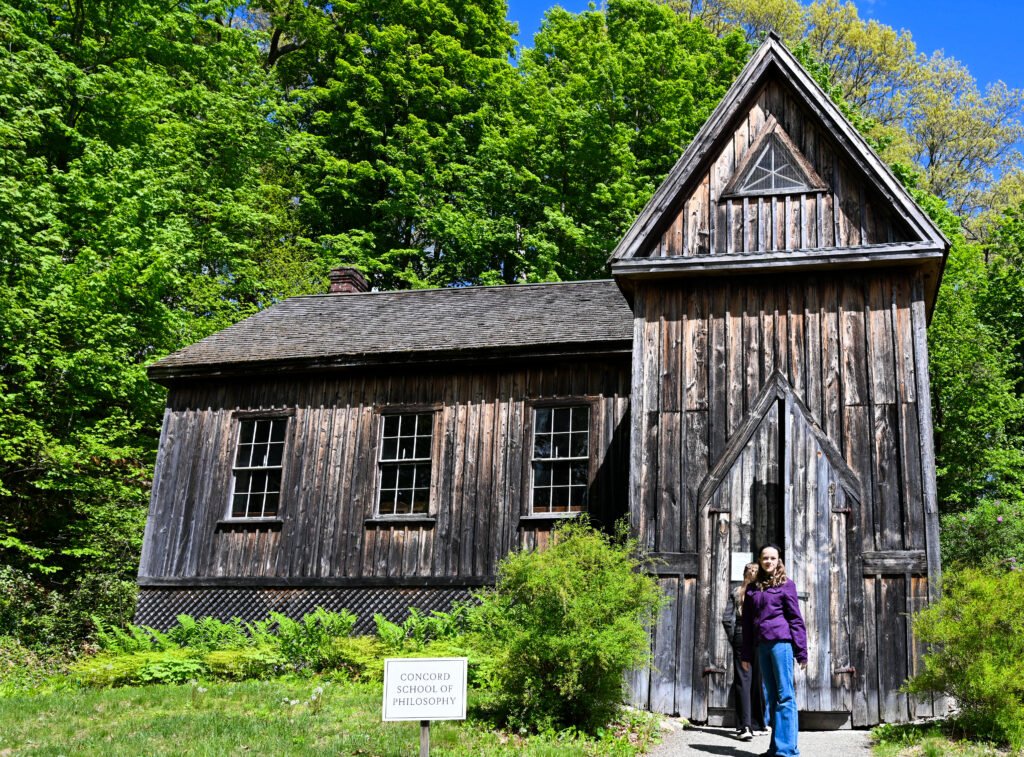
Our family is on a multi-week literary journey through New England and northeast Canada. We are exploring the authors, stories, landscapes, and communities that shaped some of our most beloved works in literature. I really want this experience to deepen my children’s love of books while also helping them see themselves as storytellers, thinkers, and writers in their own unique ways.
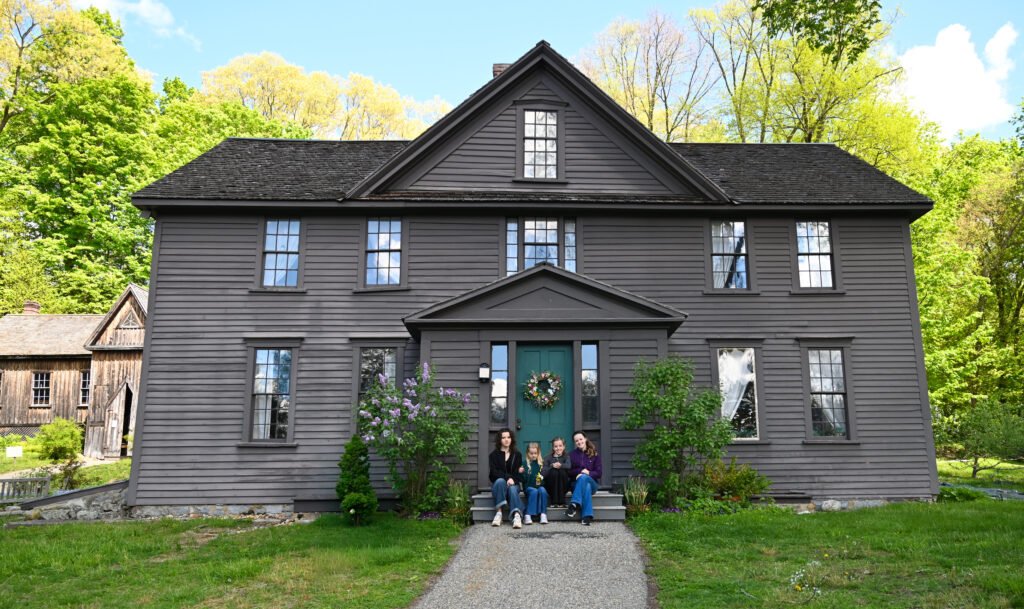
Our first stop was to Orchard House in Concord, Massachusetts, which was the home of Louisa May Alcott and the place that inspired the classic book, Little Women. Touring the house where Louisa and her sisters once lived was so fun with my own four little women. We loved wandering the rooms where the Alcott family let imagination, creativity, books, and bold ideas feature in their everyday life.
Recently, I read the book, Finding Margaret Fuller, which beautifully brought to life the relationships and intellectual energy of Concord during the 1830s-1850s. This small New England town became the center of an influential movement in American thought and literature.
The Alcotts weren’t wealthy materially, but they were wealthy in community. They were close friends with extraordinary thinkers and writers like Ralph Waldo Emerson, Henry David Thoreau, Margaret Fuller, and Nathaniel Hawthorne.
Together, along with Bronson and Abigail Alcott, these authors helped shape the Transcendentalist movement, which encouraged independent thought, deep reflection, closeness to nature, social reform, creativity, and the belief that every individual (men, women, people of all races) carries dignity and purpose.

Margaret Fuller especially fascinates me. She was speaking and writing about women’s intellectual equality and leadership more than 70 years before women had the right to vote! Emerson championed self-reliance and moral courage. Thoreau encouraged people to slow down, observe nature, and live intentionally.
While Emerson and Thoreau often emphasized the goodness and spiritual potential of humanity, Hawthorne explored themes of guilt, hypocrisy, pride, hidden sin, and moral struggle. His novels, especially The Scarlet Letter, explored the tension between individual freedom and societal judgment, particularly for women.
Bronson Alcott, on the other hand, explored discussion-based education in Socratic style, curiosity, and the importance of nurturing a child’s imagination rather than forcing rigid conformity.
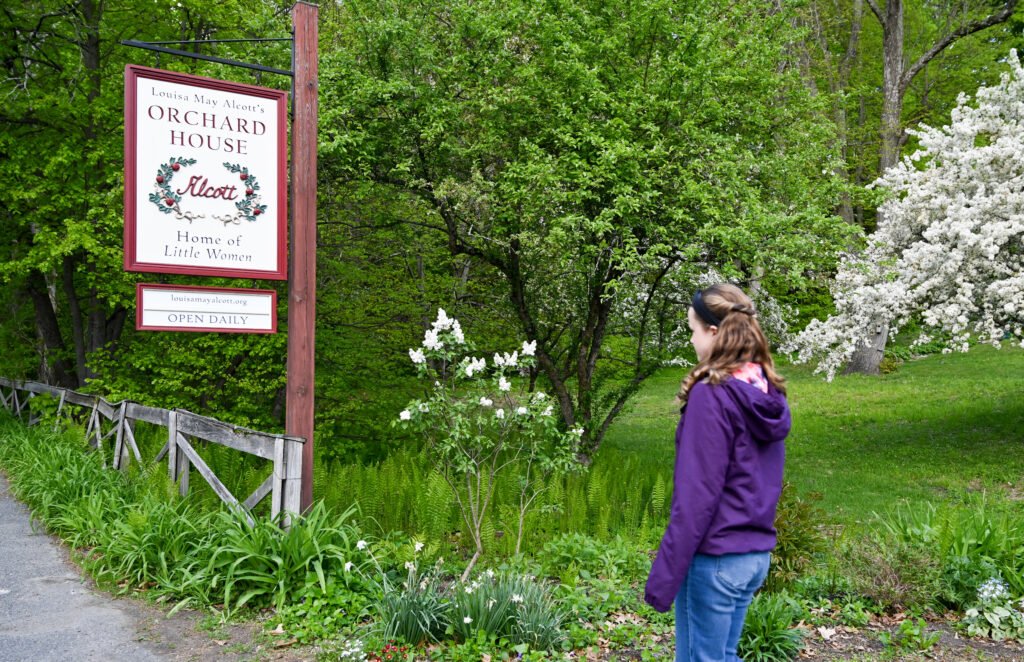
The ideas of these Concord-based transcendentalists quietly shaped conversations in America about education, abolition, women’s rights, spirituality, and personal freedom, and have ever since. As I walked through Concord with my girls today, I found myself thinking that our family may have fit naturally within parts of that community long ago.
We value alternative education, art, immersive learning through travel, exploration of nature, thoughtful and Socratic style conversation, unlimited creativity, openness to new ideas, and the belief that God’s heart can be felt best when connecting with people, cultures, and nature, not only inside church walls.
Itinerary – A Family Day in Concord
- Concord Center — Adorable, historic downtown village and walkable heart of Concord, with cafés, bookstores, and streets that sit right at the center of the town’s literary and Revolutionary War history.
- Orchard House — Home of Louisa May Alcott and setting that inspired Little Women, offering an intimate look at family life, creativity, and storytelling in the 1800s.
- The Old Manse — Riverside home connected to Ralph Waldo Emerson’s family and later Nathaniel Hawthorne’s writing, set directly on the Concord River with deep literary and historical roots.
- Emerson House — Residence of Ralph Waldo Emerson, where core Transcendentalist ideas of self-reliance, nature, and intuition were developed and lived out daily.
- Walden Pond State Reservation — Landscape tied to Henry David Thoreau and Walden, centered on simplicity, observation, and a close relationship with nature.
- Old North Bridge — Historic bridge within Minute Man National Historical Park where the “shot heard round the world” was fired on April 19, 1775, marking one of the first battles of the American Revolution. The surrounding paths, river views, and monuments connect Concord’s literary landscape with its revolutionary history.
- Minute Man National Historical Park — Preserved historic landscape protecting Revolutionary War sites, colonial homes, trails, and battlefields tied to the opening battles of the American Revolution. The park also overlaps closely with the homes and walking routes connected to Emerson, Thoreau, Hawthorne, and the broader Concord literary community.